

What is the insulation performance of a space capsule container house?
Jan 13, 2026
Leave a message
Hey there! As a supplier of space capsule container houses, I often get asked about the insulation performance of these unique dwellings. So, let's dive right in and explore what makes the insulation of space capsule container houses tick.
First off, why is insulation so important? Well, good insulation helps maintain a comfortable temperature inside the house, whether it's scorching hot outside or freezing cold. It also cuts down on energy costs by reducing the need for excessive heating or cooling. In a space capsule container house, insulation plays an even more crucial role because of its relatively small size and unique shape.

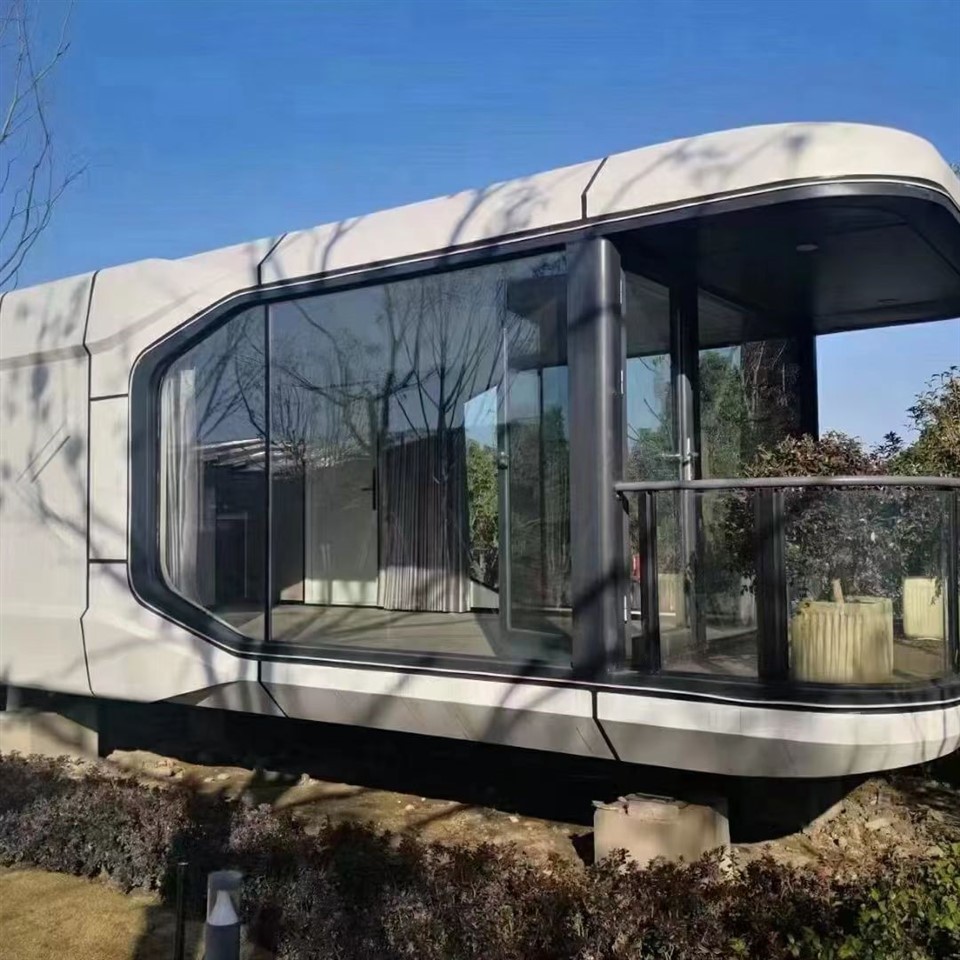
The Basics of Insulation in Space Capsule Container Houses
Most space capsule container houses are built using a combination of materials to achieve effective insulation. One common approach is to use foam insulation. Foam insulation, like polyurethane foam, is great because it can be sprayed directly onto the walls and ceilings of the container. This creates a seamless barrier that fills in all the nooks and crannies, preventing air leakage.
Another popular option is fiberglass insulation. Fiberglass is made up of fine glass fibers that trap air, which helps to slow down the transfer of heat. It's relatively inexpensive and easy to install, making it a go - to choice for many space capsule container house builders.
Some high - end space capsule container houses even use vacuum insulation panels (VIPs). These are super - efficient insulation materials that have extremely low thermal conductivity. VIPs are thin but can provide a high level of insulation, which is perfect for a space - constrained environment like a space capsule container house.
How Insulation Affects Energy Efficiency
Let's talk about how insulation impacts energy efficiency. When a space capsule container house is well - insulated, it acts like a thermos. Heat stays inside during the cold months and outside during the hot months. This means that your heating and cooling systems don't have to work as hard to maintain a comfortable temperature.
For example, if you have a Space Capsule House with Furnature in a cold climate, good insulation will keep the warm air from escaping. You won't need to crank up the heater all the time, which can save you a ton of money on your energy bills.
On the other hand, in a hot climate, insulation prevents the hot outside air from seeping in. Your air conditioner won't have to run non - stop to cool down the interior, again resulting in lower energy consumption and cost savings.
Real - World Performance
I've had customers who've shared their experiences with the insulation performance of our space capsule container houses. One customer in a desert area bought a 20 - foot Space Capsule House. They were initially worried about how well it would handle the extreme heat. But after installing the house and getting it up and running, they were pleasantly surprised.
The insulation kept the interior cool during the day, even when the outside temperature soared above 100°F (38°C). They only needed to run their small air conditioner for a few hours a day to stay comfortable.
Another customer in a cold mountain region had a similar positive experience. Their Future Space Capsule House was able to retain heat effectively, and they found that they could rely on a small wood - burning stove to keep the whole place warm.
Factors That Can Affect Insulation Performance
While insulation is a key factor in maintaining a comfortable environment in a space capsule container house, there are other things that can affect its performance.
One factor is the quality of the installation. If the insulation isn't installed properly, there could be gaps or voids that allow air to leak through. This can significantly reduce the effectiveness of the insulation. That's why it's important to work with experienced installers who know what they're doing.
The location of the house also matters. If the house is exposed to direct sunlight for long periods, it can heat up the exterior and put more stress on the insulation. Similarly, if it's in a windy area, the wind can cause air infiltration around the house, reducing the insulation's performance.
Comparing Insulation Options
When choosing the right insulation for your space capsule container house, you need to consider a few things. Cost is obviously a factor. Foam insulation and fiberglass are generally more affordable, while VIPs are on the pricier side.
You also need to think about the R - value. The R - value measures the insulation's resistance to heat flow. A higher R - value means better insulation. For a space capsule container house, you'll want to aim for an R - value that's appropriate for your climate. In colder climates, you'll need a higher R - value than in warmer ones.
Maintenance of Insulation
Maintaining the insulation in your space capsule container house is relatively easy. You just need to make sure that it stays dry. Moisture can damage insulation materials, especially fiberglass. If you notice any signs of water damage, like wet spots or a musty smell, you should investigate and fix the problem as soon as possible.
Regularly checking for any signs of wear and tear, such as holes or loose insulation, is also a good idea. You can patch up small holes with appropriate insulation tape or materials.
Conclusion
In conclusion, the insulation performance of a space capsule container house is crucial for creating a comfortable and energy - efficient living environment. With the right insulation materials and proper installation, you can enjoy a cozy home no matter what the weather is like outside.
If you're interested in learning more about our space capsule container houses and their insulation features, or if you're ready to make a purchase, I'd love to hear from you. We can have a chat about your specific needs and how we can customize a space capsule container house for you.
References
- "Insulation Basics" - U.S. Department of Energy
- "Building Science for Small Homes" - Building Science Press