

How do you install a cooling system in modular container buildings?
Jan 05, 2026
Leave a message
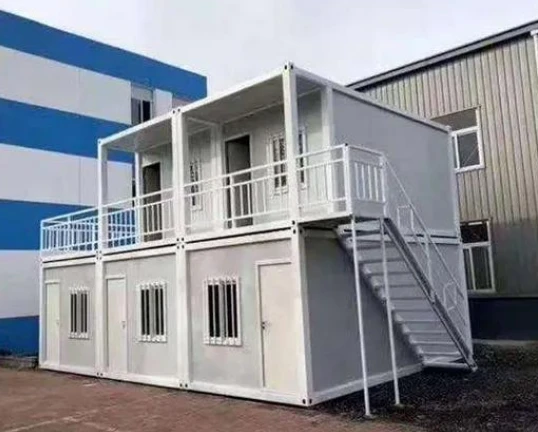
As a supplier of Modular Container Buildings, I've encountered numerous inquiries regarding the installation of cooling systems in these structures. Modular container buildings offer a versatile and cost - effective solution for various applications, from offices to residential homes. However, ensuring proper cooling is crucial for comfort and functionality, especially in regions with high temperatures. In this blog, I'll share a comprehensive guide on how to install a cooling system in modular container buildings.
Understanding the Basics of Modular Container Buildings
Before delving into the cooling system installation, it's essential to understand the nature of modular container buildings. These structures are pre - fabricated in a factory and then transported to the site for assembly. They are typically made from steel containers, which are durable and can be easily modified. The modular design allows for quick construction and flexibility in layout. You can find more information about our Modular Container Buildings on our website.
Assessing Cooling Requirements
The first step in installing a cooling system is to assess the cooling requirements of the modular container building. Several factors influence these requirements:
- Size of the Building: Larger buildings generally require more cooling capacity. Measure the length, width, and height of the container to calculate the volume. A general rule of thumb is that for every 100 square feet, you need about 2,000 - 2,500 BTUs (British Thermal Units) of cooling power.
- Insulation: Well - insulated buildings retain cool air better, reducing the cooling load. Check the insulation level of the container walls, roof, and floor. If the insulation is poor, consider upgrading it before installing the cooling system.
- Occupancy and Usage: The number of people inside the building and the type of activities taking place also affect cooling needs. For example, a building used as a server room will generate more heat than a simple storage space.
Types of Cooling Systems Suitable for Modular Container Buildings
There are several types of cooling systems that can be installed in modular container buildings:
- Window Air Conditioners: These are a cost - effective and easy - to - install option for small to medium - sized containers. They are self - contained units that are mounted in a window or a pre - cut opening in the wall. Window air conditioners typically range from 5,000 to 18,000 BTUs.
- Split Air Conditioners: Split systems consist of an indoor unit and an outdoor unit connected by refrigerant lines. They are more efficient and quieter than window air conditioners. Split systems can be used for larger containers or multiple - room setups. You can choose from single - zone or multi - zone split systems depending on your needs.
- Packaged Terminal Air Conditioners (PTACs): PTACs are similar to split systems but are designed for through - the - wall installation. They are commonly used in commercial buildings and offer a good balance between cost and performance.
- Evaporative Coolers: Also known as swamp coolers, evaporative coolers work by evaporating water to cool the air. They are energy - efficient and suitable for dry climates. However, they may not be as effective in humid areas.
Installation Process
Step 1: Prepare the Container
- Inspect the Container: Check for any leaks, holes, or damage in the container walls, roof, and floor. Repair any issues before installing the cooling system.
- Mark the Installation Location: Determine the best location for the cooling unit based on the type of system you've chosen. For window air conditioners, mark the window opening. For split systems, mark the locations for the indoor and outdoor units.
- Cut Openings (if necessary): If you're installing a window air conditioner or a PTAC, cut the appropriate opening in the wall. Use a jigsaw or a circular saw for this task. Make sure the opening is the correct size and shape for the unit.
Step 2: Install the Cooling Unit
- Window Air Conditioners: Place the unit in the window opening and secure it with brackets or screws. Make sure the unit is level and properly sealed to prevent air leaks. Connect the electrical cord to a grounded outlet.
- Split Air Conditioners: Install the indoor unit on the wall using the mounting brackets provided. Drill holes in the wall and insert anchors, then attach the unit. Connect the refrigerant lines, drain pipe, and electrical wires according to the manufacturer's instructions. Install the outdoor unit on a flat, stable surface, such as a concrete pad. Make sure the outdoor unit is well - ventilated.
- PTACs: Slide the unit into the through - the - wall opening and secure it in place. Connect the electrical and refrigerant lines as per the manufacturer's guidelines.
Step 3: Connect Ductwork (if applicable)
If you're using a ducted cooling system, such as a central air conditioner, you'll need to install ductwork to distribute the cool air throughout the building. Measure the length and layout of the ducts and cut them to size. Connect the ducts using duct tape or metal fasteners. Make sure the ducts are properly sealed to prevent air leaks.
Step 4: Test the System
Once the installation is complete, turn on the cooling system and test it. Check for any unusual noises, vibrations, or leaks. Monitor the temperature inside the building to ensure that the system is cooling effectively.

Maintenance and Troubleshooting
Regular maintenance is essential to keep your cooling system running smoothly. Here are some maintenance tips:
- Clean or Replace Filters: Dirty filters can reduce the efficiency of the cooling system. Clean or replace the filters every 1 - 3 months, depending on usage.
- Check Refrigerant Levels: Low refrigerant levels can cause the system to malfunction. Have a professional technician check the refrigerant levels annually.
- Inspect Electrical Components: Check the electrical connections, wires, and switches for any signs of damage or wear. Tighten loose connections and replace any damaged components.
If you encounter any problems with your cooling system, such as poor cooling performance, strange noises, or leaks, it's best to contact a professional HVAC technician. They have the expertise and tools to diagnose and repair the issue.
Conclusion
Installing a cooling system in a modular container building is a manageable task if you follow the right steps. By assessing your cooling requirements, choosing the appropriate system, and following the installation and maintenance guidelines, you can ensure a comfortable and functional environment inside your container building.
If you're interested in our Modern Design Modular Container House or Luxury Modular Shipping Container Homes Prefab House for Residential, or if you have any questions about cooling system installation in modular container buildings, we'd love to hear from you. Contact us to start a procurement discussion and find the best solutions for your needs.
References
- "HVAC Systems Design Handbook" by Ashrae
- Manufacturer's installation and maintenance manuals for cooling systems