

How are modular container buildings transported?
Jun 17, 2025
Leave a message
Hey there! I'm a supplier of Modular Container Buildings, and I often get asked about how these bad boys are transported. So, I thought I'd share the ins and outs of getting these modular beauties from our factory to your desired location.
Understanding the Basics of Modular Container Buildings
Before we dive into transportation, let's quickly talk about what modular container buildings are. These are pre - fabricated structures made from shipping containers or built in a modular fashion. They're super versatile, used for everything from 3bedroom Prefab Modular Steel Container House to Luxury Modular Shipping Container Homes Prefab House for Residential. The fact that they're pre - made in a factory gives them an edge in terms of quality control and faster construction times.
Types of Transportation Modes
There are mainly three ways to transport modular container buildings: by road, by rail, and by sea. Each has its own pros and cons, and the choice depends on several factors like distance, cost, and the nature of the destination.
Road Transportation
Road transport is the most common way to move modular container buildings over short to medium distances. It offers a high level of flexibility. You can deliver the containers directly to the site, which is a huge plus. Trucks can access most locations, whether it's a remote construction site or a city center.
We use specialized flatbed trucks to carry the modular containers. These trucks are designed to handle the weight and size of the containers. The containers are securely strapped down to prevent any movement during transit. This is crucial because even a small shift can cause damage to the building.
However, road transport does have its limitations. There are weight and size restrictions on public roads. If your modular container building is extremely large or heavy, you may need special permits. And let's not forget about traffic. Delays due to congestion can really throw off your delivery schedule.
Rail Transportation
For longer distances within a country, rail transport can be a great option. Trains can carry a large number of containers at once, which makes it more cost - effective for bulk shipments. Railways also have fewer restrictions on weight and size compared to roads.
The process of loading modular containers onto trains is a bit more complex. Specialized cranes are used to lift the containers from the ground or trucks and place them onto the railcars. Once loaded, the containers are locked in place to ensure stability during the journey.
But rail transport isn't without its drawbacks. It lacks the flexibility of road transport. You need to have a rail siding near your destination, and from there, you'll likely need to transfer the containers to trucks for the final leg of the journey. This adds an extra step and can increase the overall cost.
Sea Transportation
When it comes to international shipments or moving modular container buildings across large bodies of water, sea transport is the go - to option. Shipping containers are designed to be easily loaded onto cargo ships. The containers are stacked on the deck or in the hold of the ship, and they're secured using lashing systems.
Sea transport can handle a massive volume of containers, making it the most economical choice for long - distance and large - scale shipments. But it's also the slowest mode of transportation. Delays due to weather conditions, port congestion, or customs clearance can occur.
Pre - Transport Preparation
Regardless of the transportation mode, proper preparation is key. First, we conduct a thorough inspection of the modular container building. We check for any loose parts, damage, or potential issues that could be exacerbated during transit.
Next, we take steps to protect the building. We use padding and protective covers to prevent scratches and dents. Electrical systems are disconnected, and any fragile components are removed or secured.
Documentation is another important aspect. We prepare all the necessary paperwork, including shipping manifests, customs documents (for international shipments), and insurance certificates. This ensures a smooth process at every stage of the journey.
Loading and Unloading
Loading and unloading are critical steps in the transportation process. As I mentioned earlier, specialized equipment like cranes and forklifts are used. The operators need to be highly skilled to handle the containers safely.
During loading, the weight distribution of the container on the transport vehicle is carefully considered. An uneven load can cause stability issues and increase the risk of accidents.
Unloading at the destination is equally important. The container needs to be placed exactly where it's supposed to be. We use leveling equipment to ensure the container is properly positioned and leveled on the foundation.
Cost Considerations
The cost of transporting modular container buildings can vary widely. It depends on the mode of transport, distance, size, and weight of the building. Road transport is generally more expensive per mile compared to rail or sea, but it offers more direct delivery.
Insurance is also a significant cost factor. We always recommend getting comprehensive insurance coverage for your modular container building during transit. This protects you from any potential losses due to accidents, theft, or damage.
Why Choose Our Modular Container Buildings
At our company, we're experts in not only building high - quality Modular Container Buildings but also ensuring their safe and efficient transportation. We have a network of reliable transportation partners, whether it's trucking companies, railways, or shipping lines.
Our team is experienced in handling all the logistics, from pre - transport preparation to final delivery. We'll work closely with you to choose the best transportation mode based on your specific needs and budget.

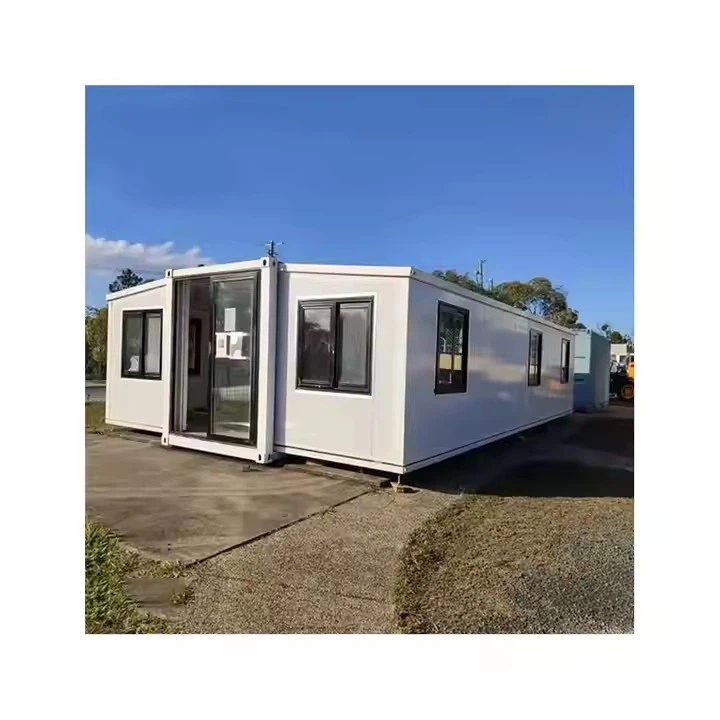
If you're in the market for modular container buildings and want a hassle - free transportation experience, don't hesitate to reach out. We're here to answer all your questions and help you make the right choice. Whether you need a cozy 3bedroom Prefab Modular Steel Container House or a Luxury Modular Shipping Container Homes Prefab House for Residential, we've got you covered.
Conclusion
Transporting modular container buildings is a complex but manageable process. By understanding the different transportation modes, pre - transport preparation, and cost factors, you can make an informed decision. At our company, we're committed to providing you with top - notch modular container buildings and ensuring they reach your location safely and on time. So, if you're interested in purchasing modular container buildings, get in touch with us today. Let's start the journey of turning your dream building into a reality.
References
- "Containerized Building Systems: Design, Construction, and Sustainability"
- "Transportation Logistics: Principles and Practices"
- Industry reports on modular construction and container transportation